Your shopping bag is empty
Go to the shop

How to Become a Masala Distributor in India
India has a strong and growing market for spices and masalas because they are an essential part of everyday cooking. From basic spices such as turmeric, chilli, coriander and cumin to blended products such as Garam Masala, Chhole Masala, Rajma Masala and Shahi Paneer Masala, consumers purchase masalas regularly. This creates an attractive opportunity for entrepreneurs interested in starting a masala distribution business in India.
Becoming a distributor allows you to purchase products from an established spice brand and supply them to retailers, grocery stores, supermarkets, restaurants and other food businesses in your region. However, selecting the right brand, understanding your market and building an effective distribution network are important for long-term success.
Why Start a Masala Distribution Business in India?
Masalas are fast-moving FMCG products with regular household demand. Unlike many products that customers purchase occasionally, spices are consumed continuously and need to be replenished.
A distributor can serve multiple types of customers, including:
• Grocery and kirana stores
• Supermarkets
• Restaurants and hotels
• Caterers
• Food businesses
• Local retailers
• Online and modern trade sellers
The growing preference for hygienically packaged and branded spices also creates opportunities for distributors who work with reliable manufacturers.
Choose the Right Masala Brand
One of the most important decisions is selecting the spice brand you want to distribute. A good brand should offer consistent product quality, attractive packaging, a wide product range and proper channel support.
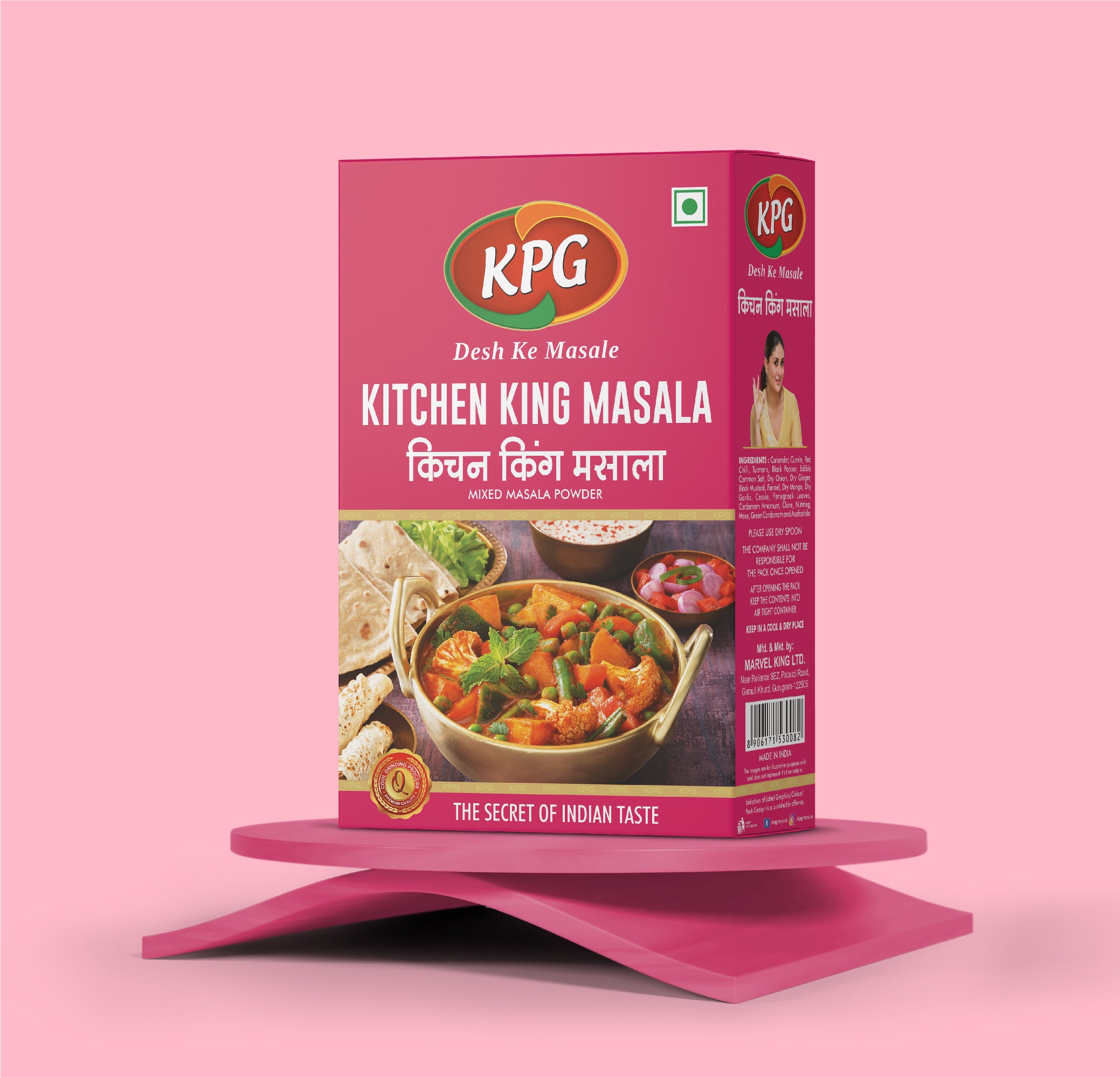
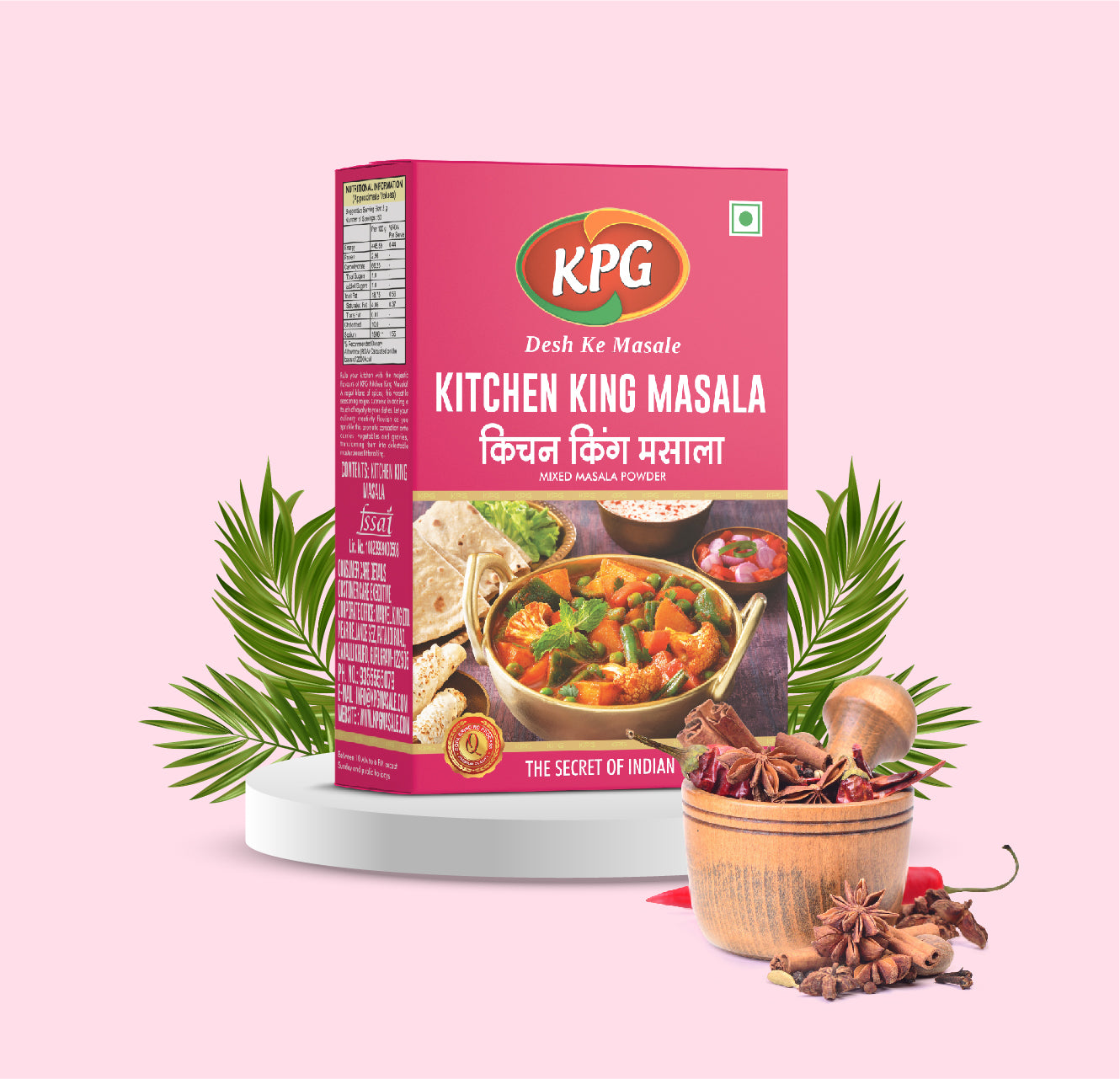
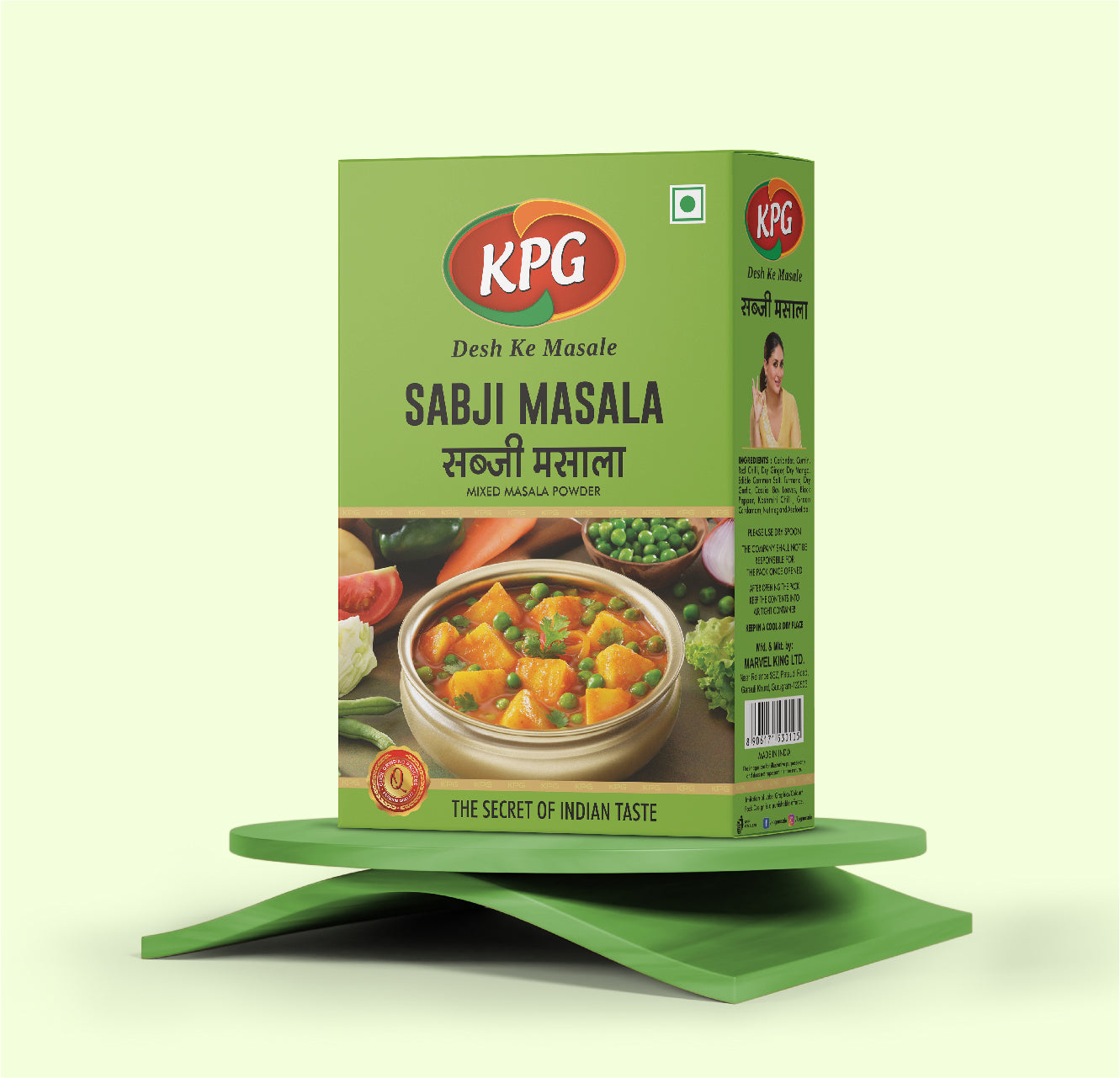
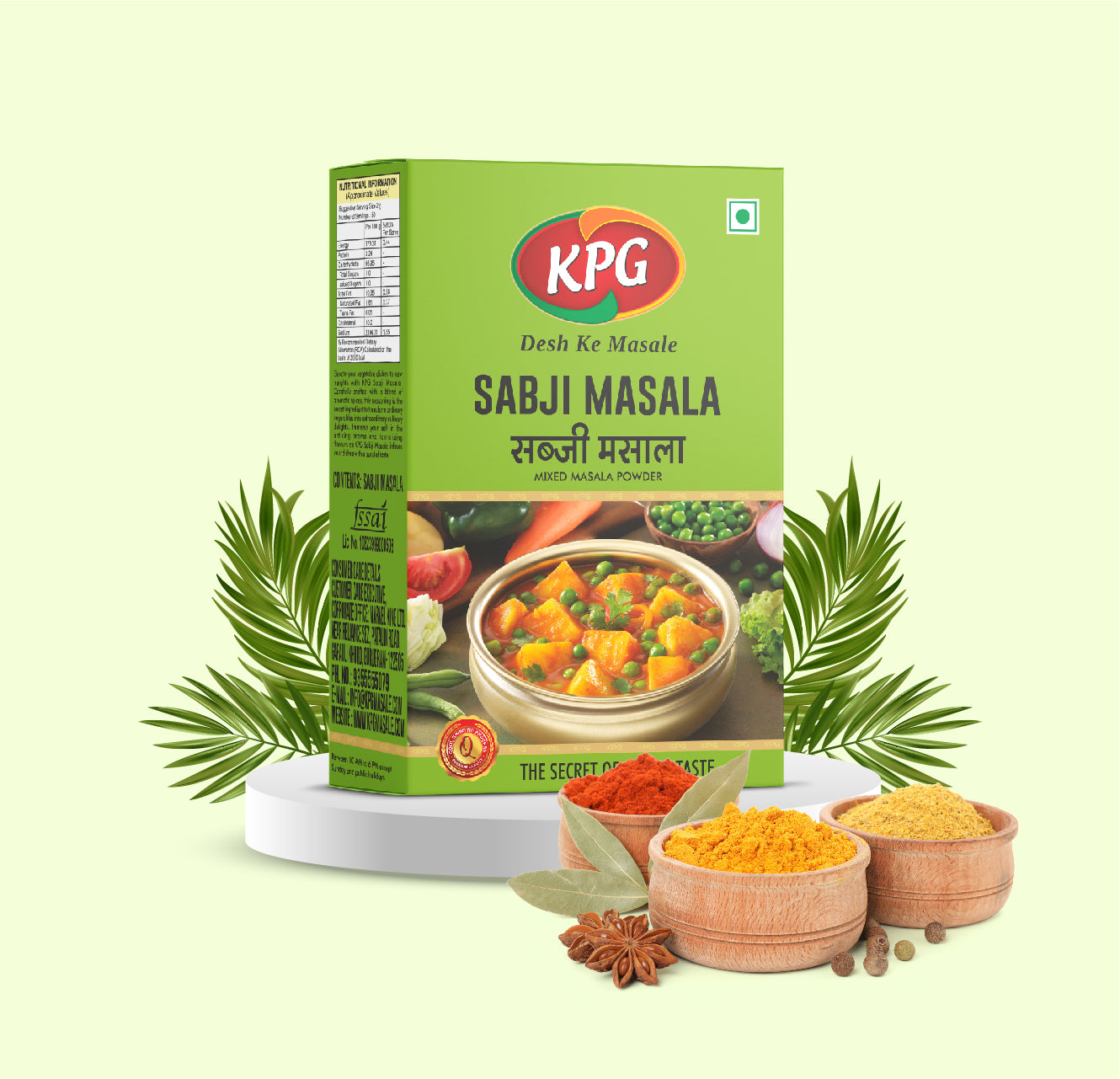
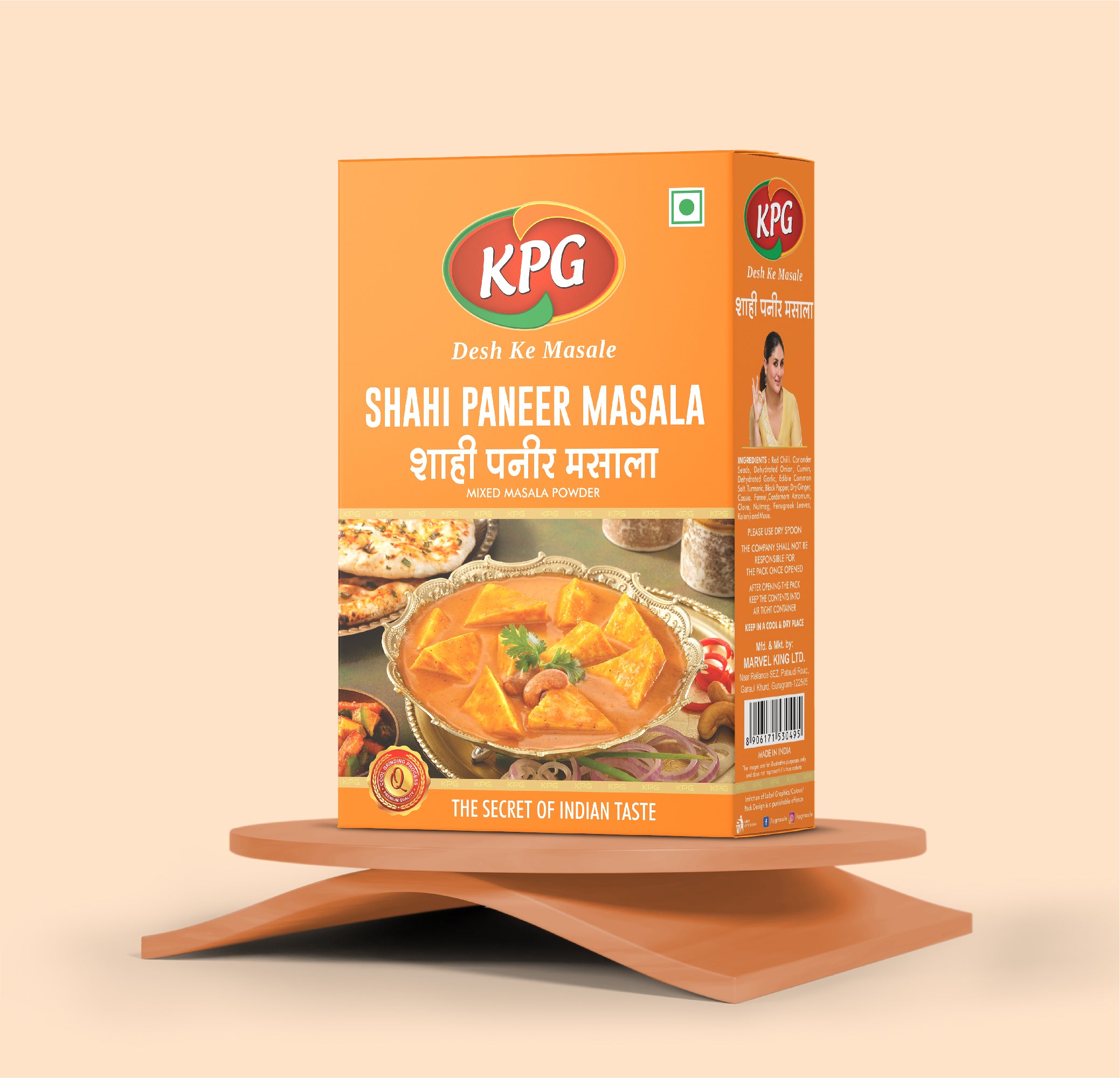
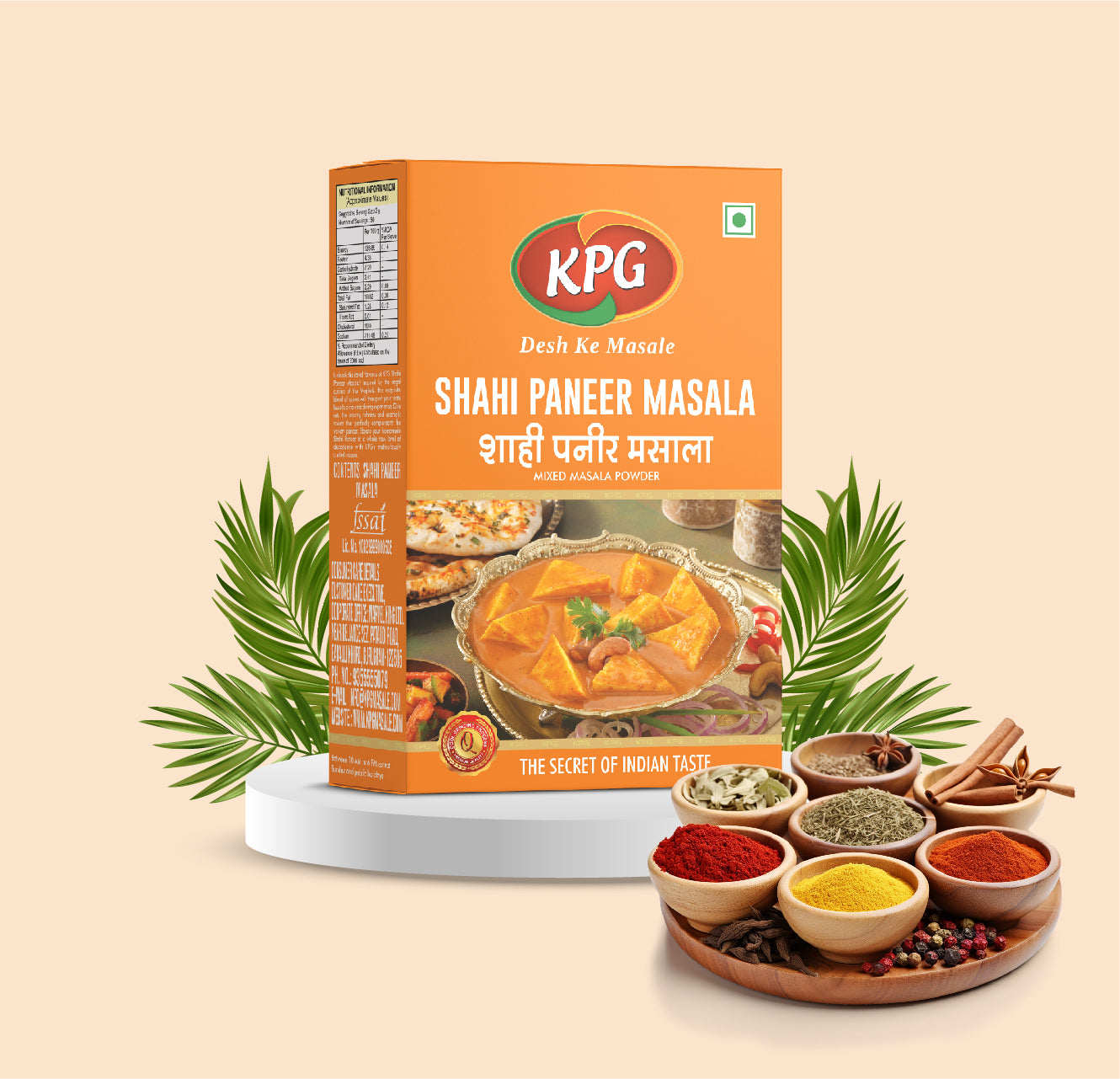
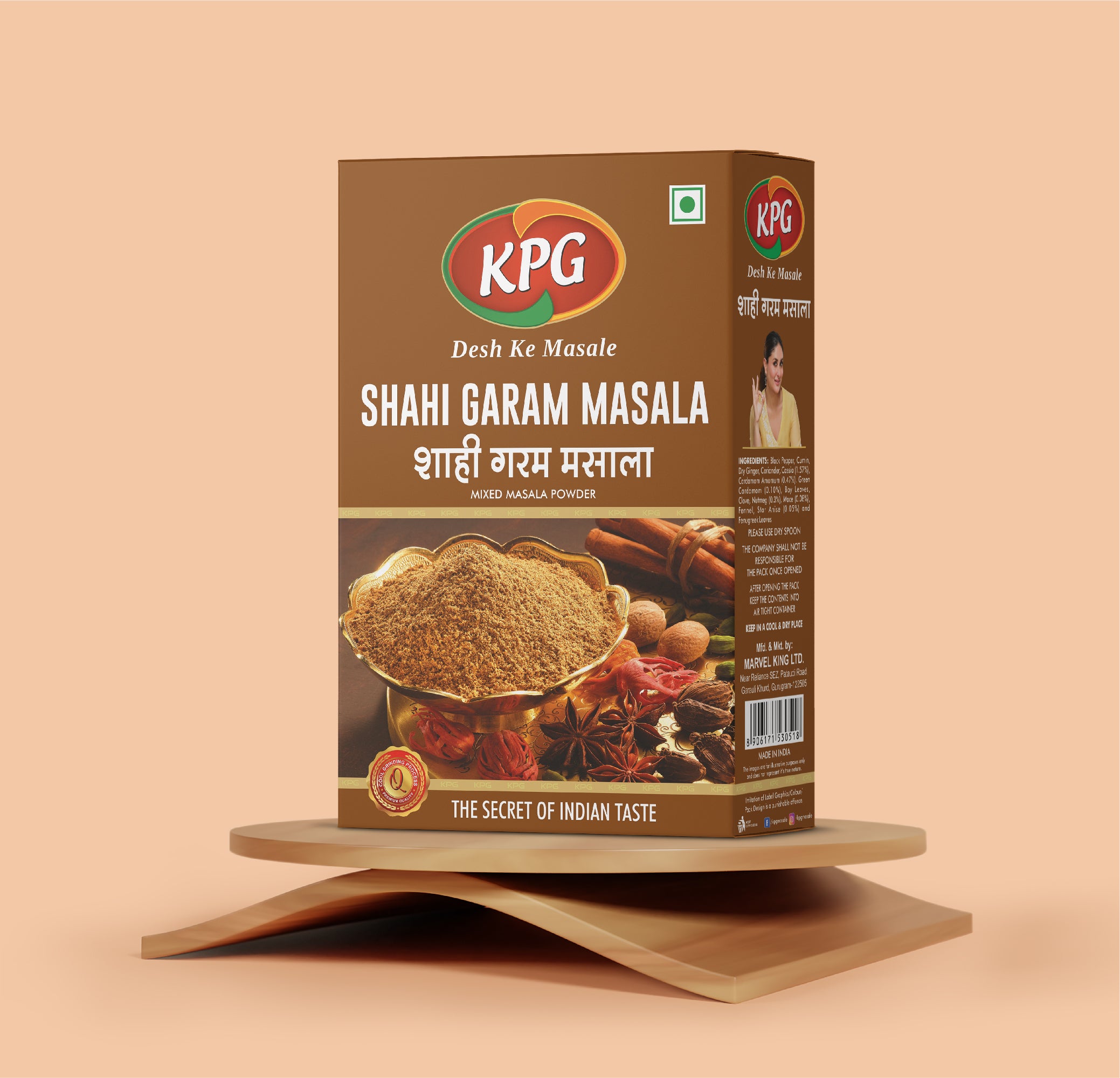
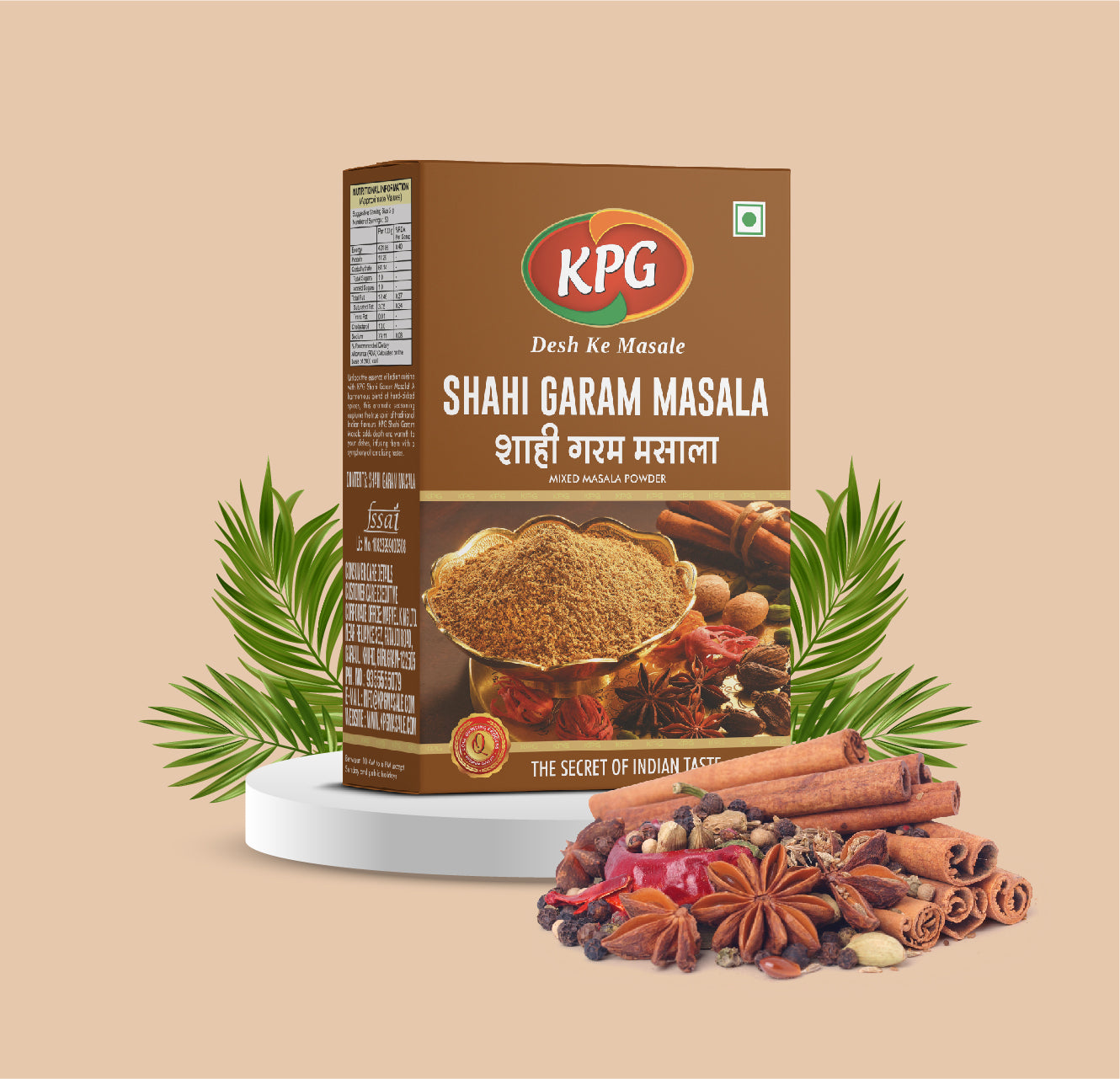
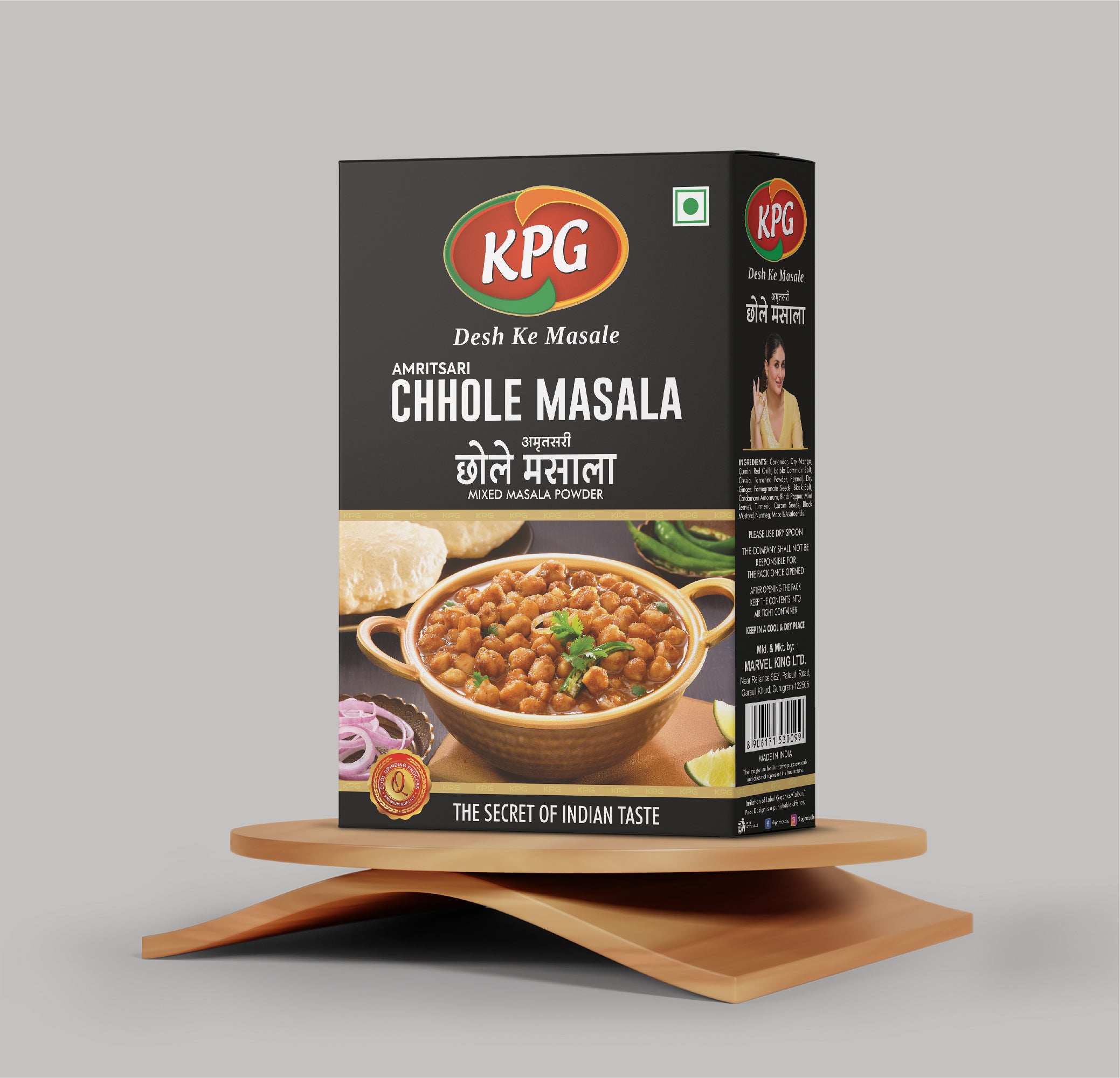
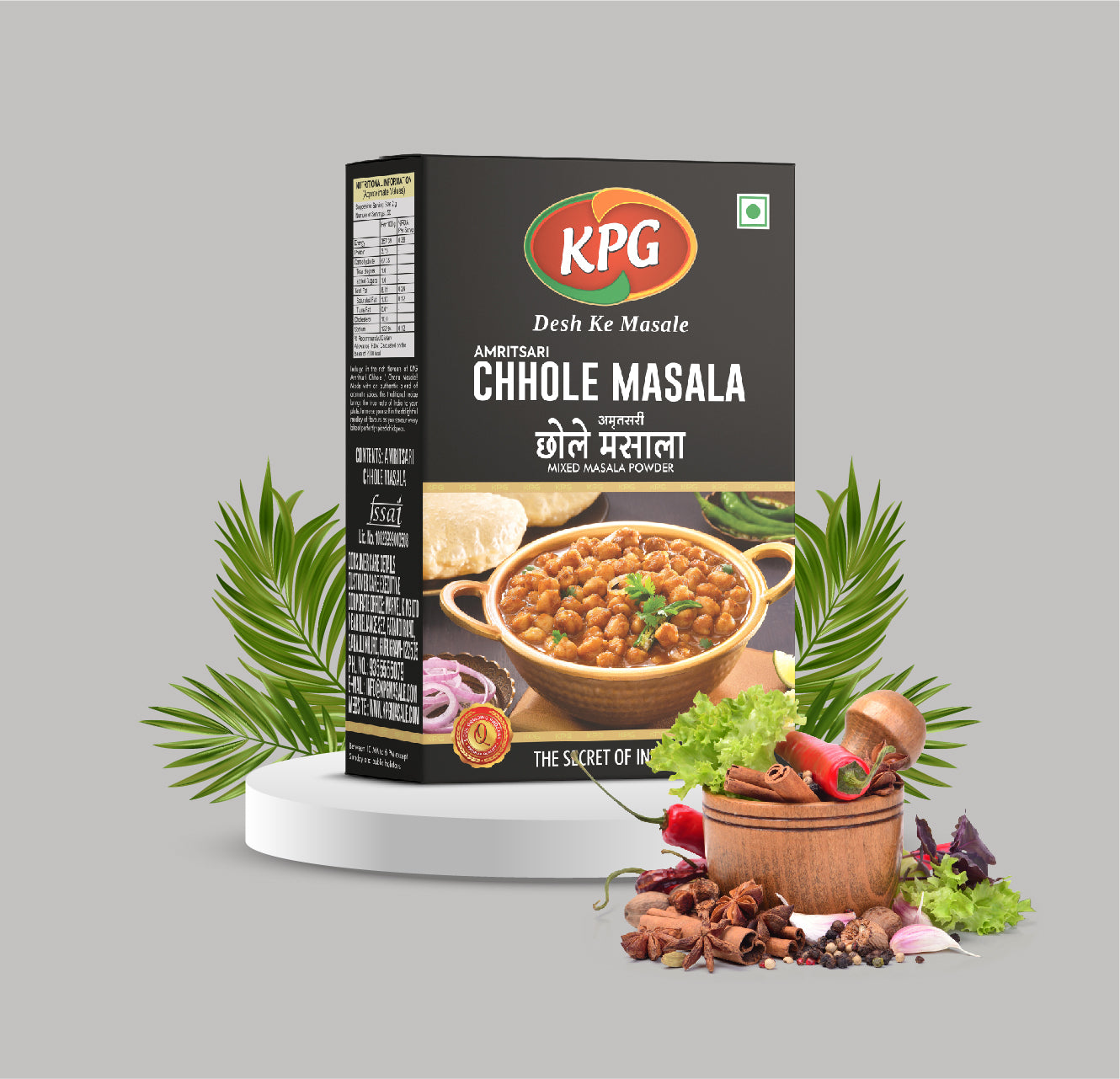
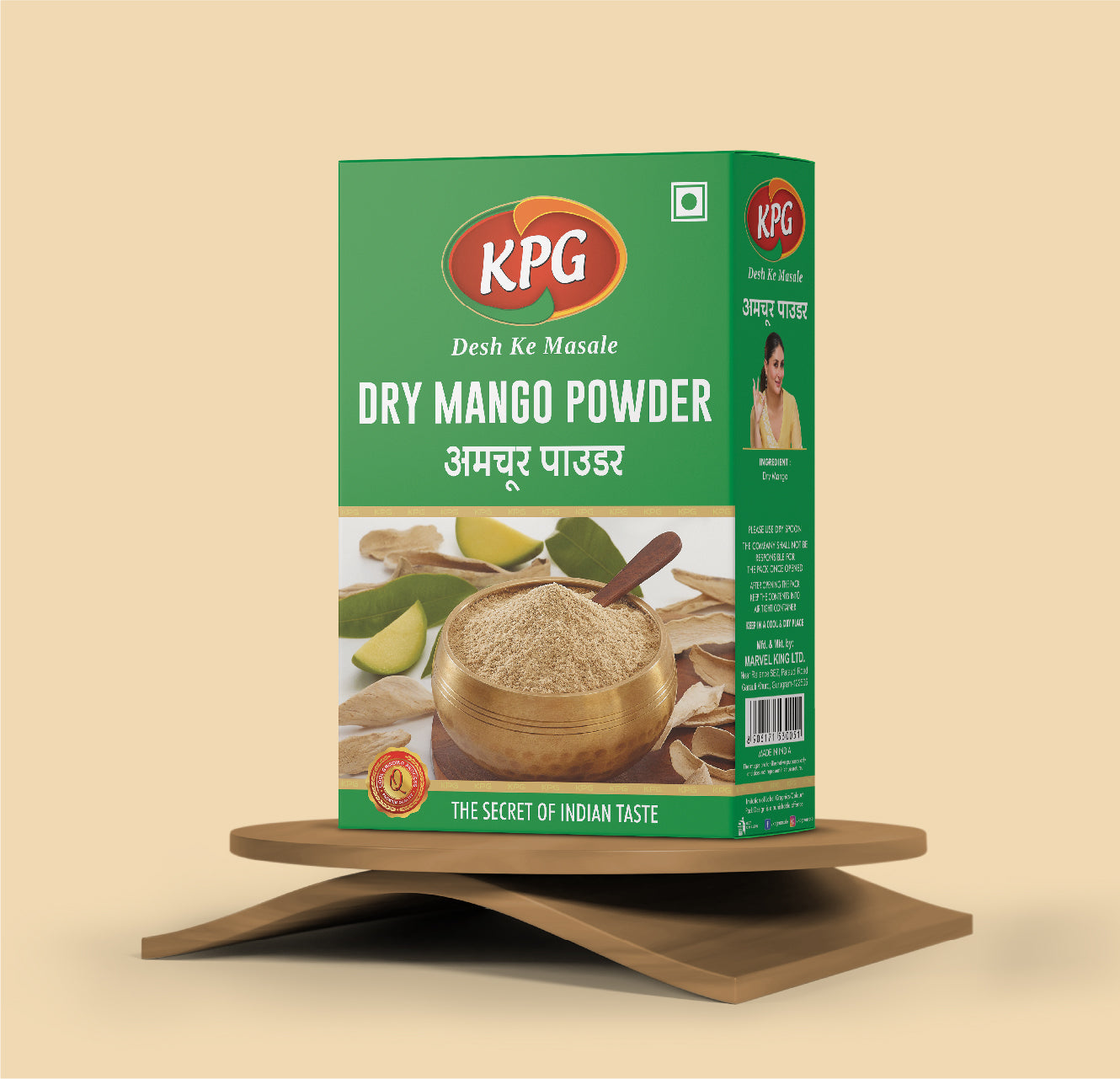
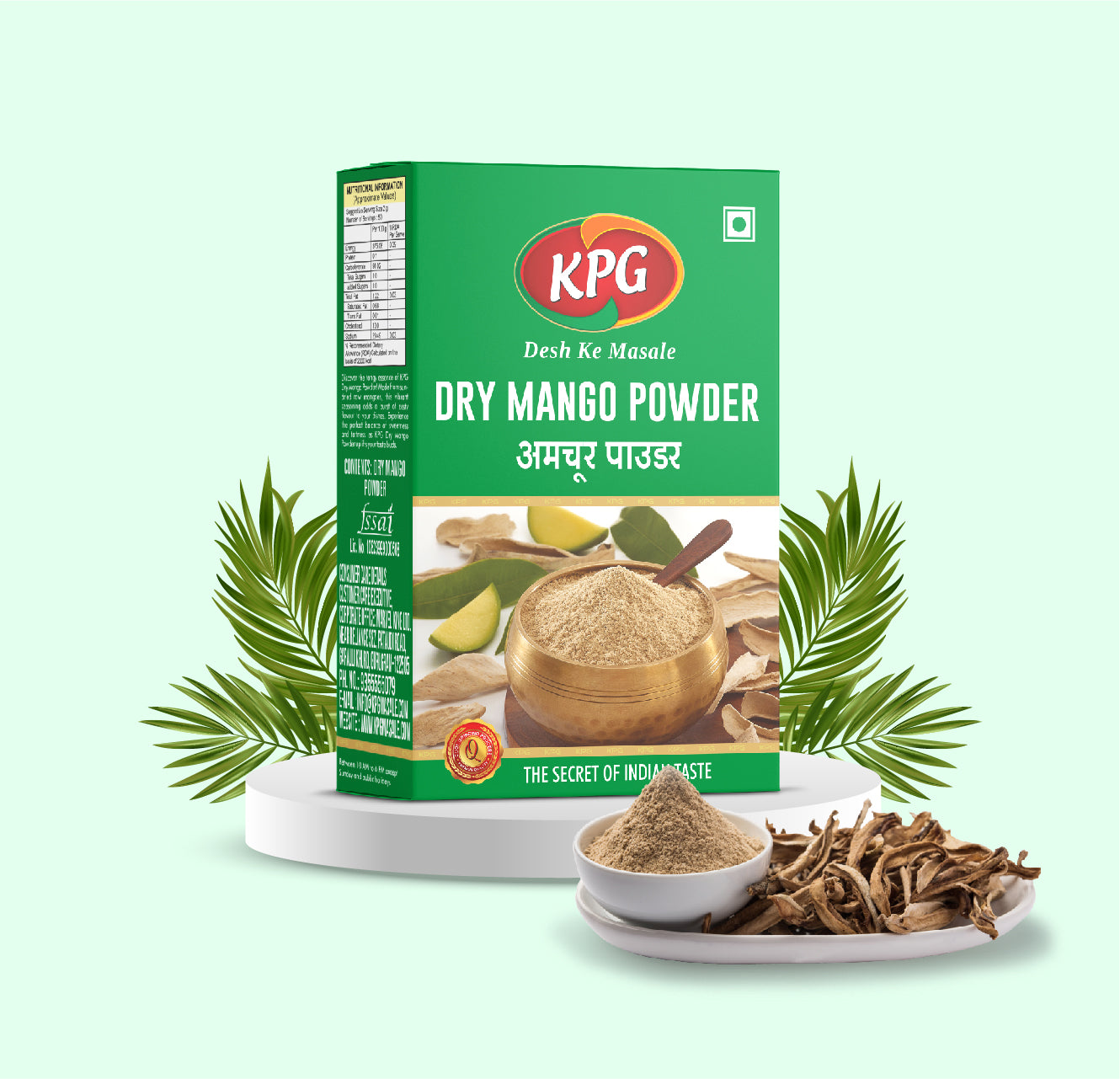
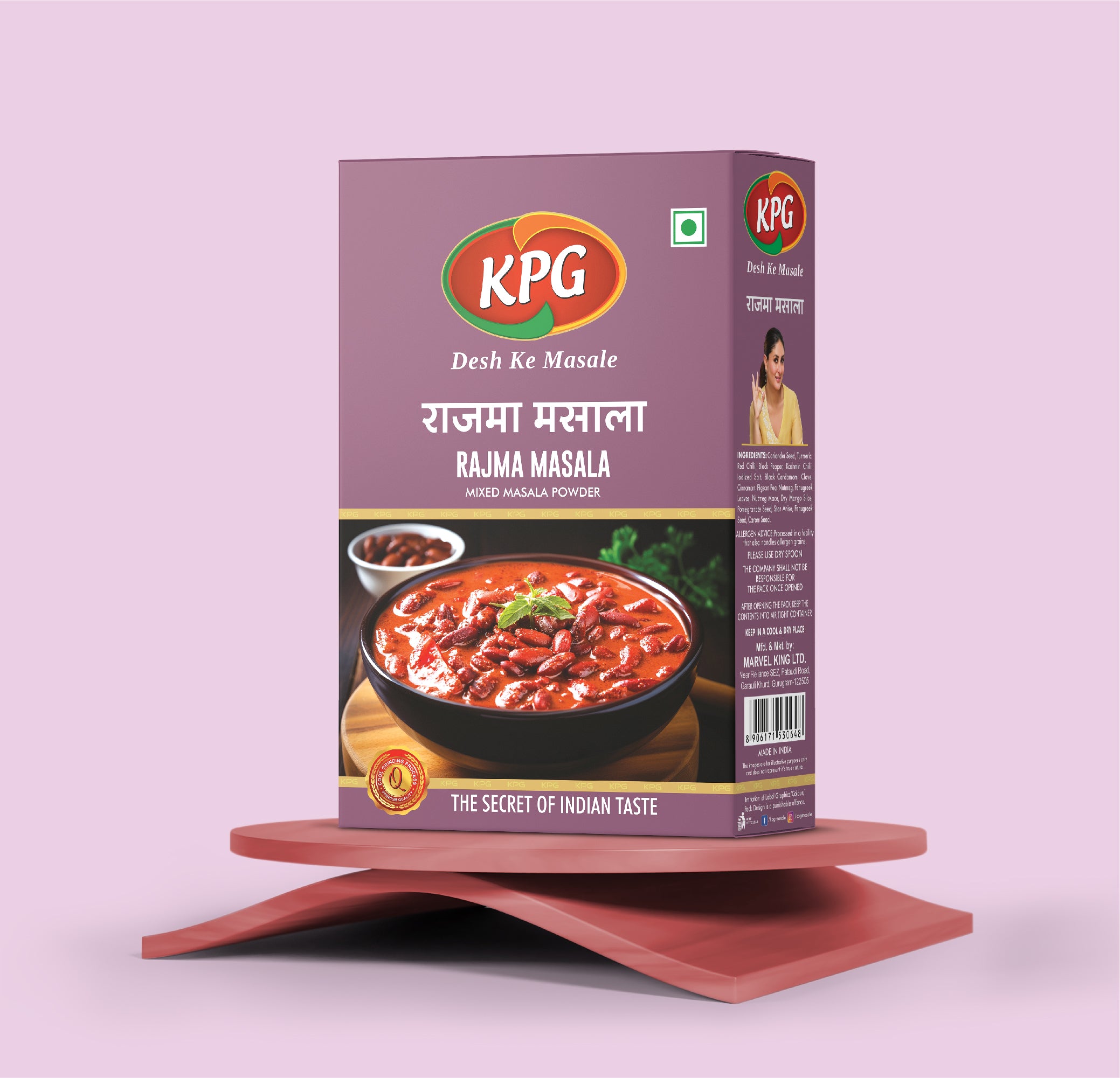
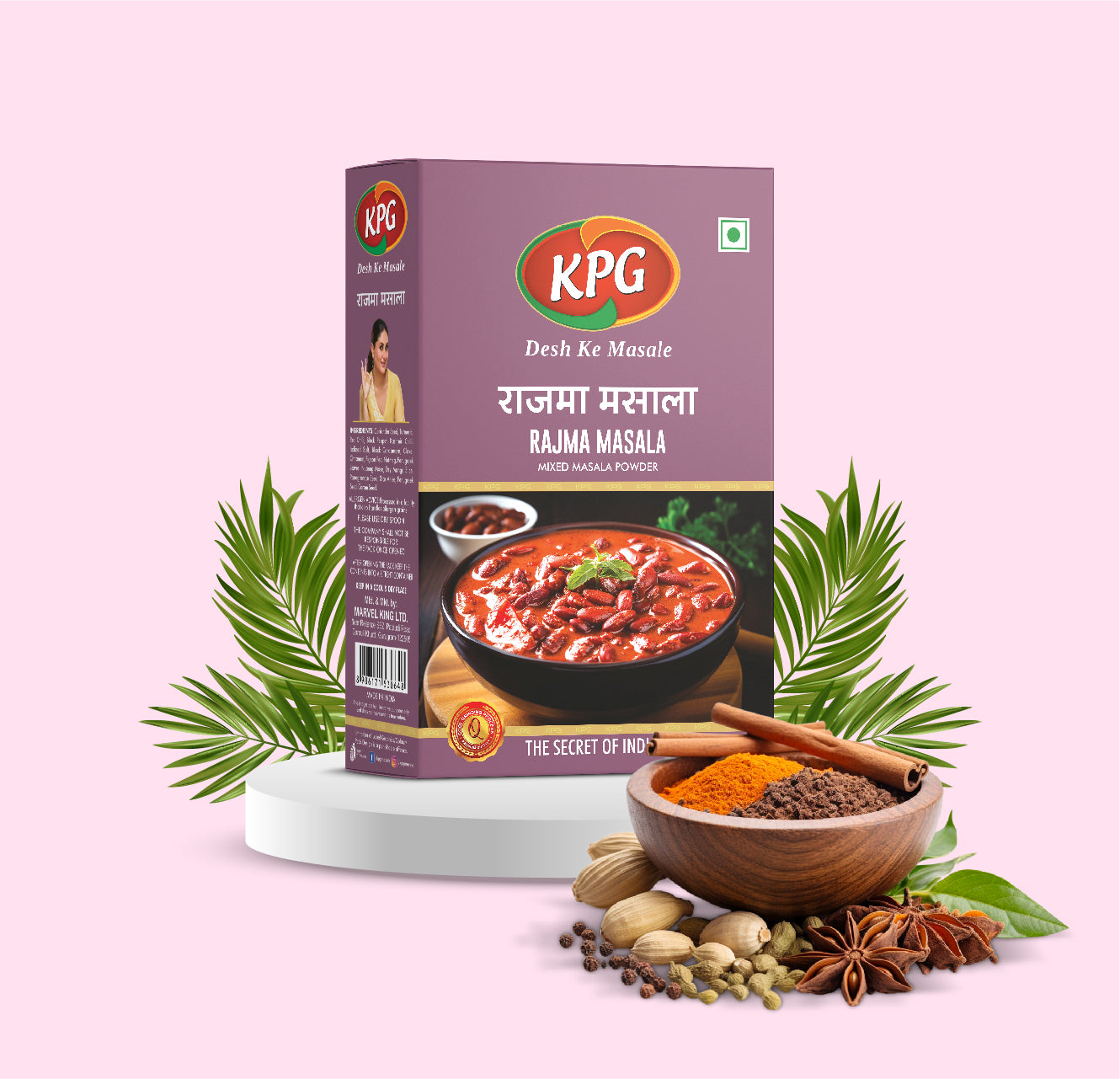
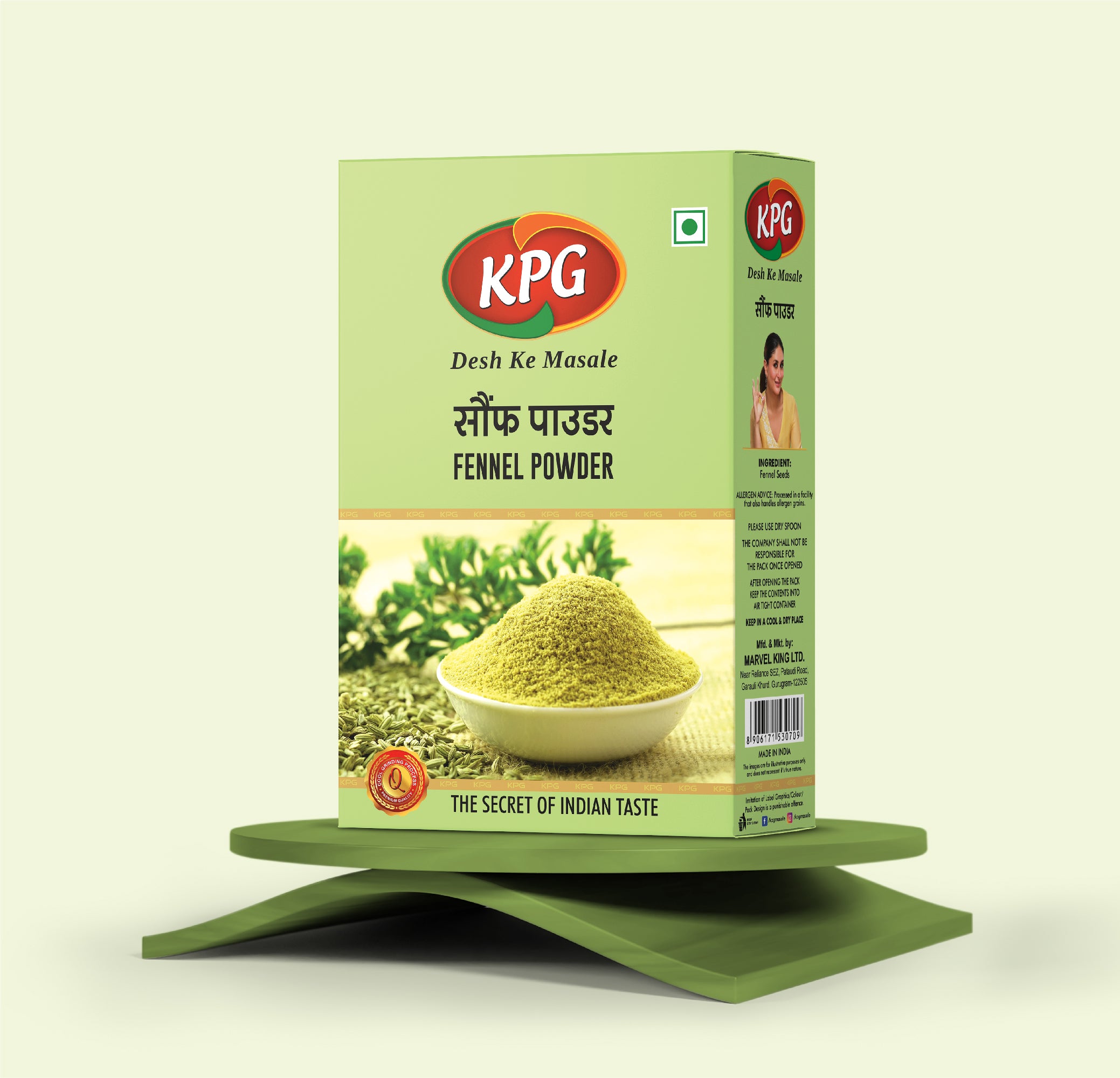
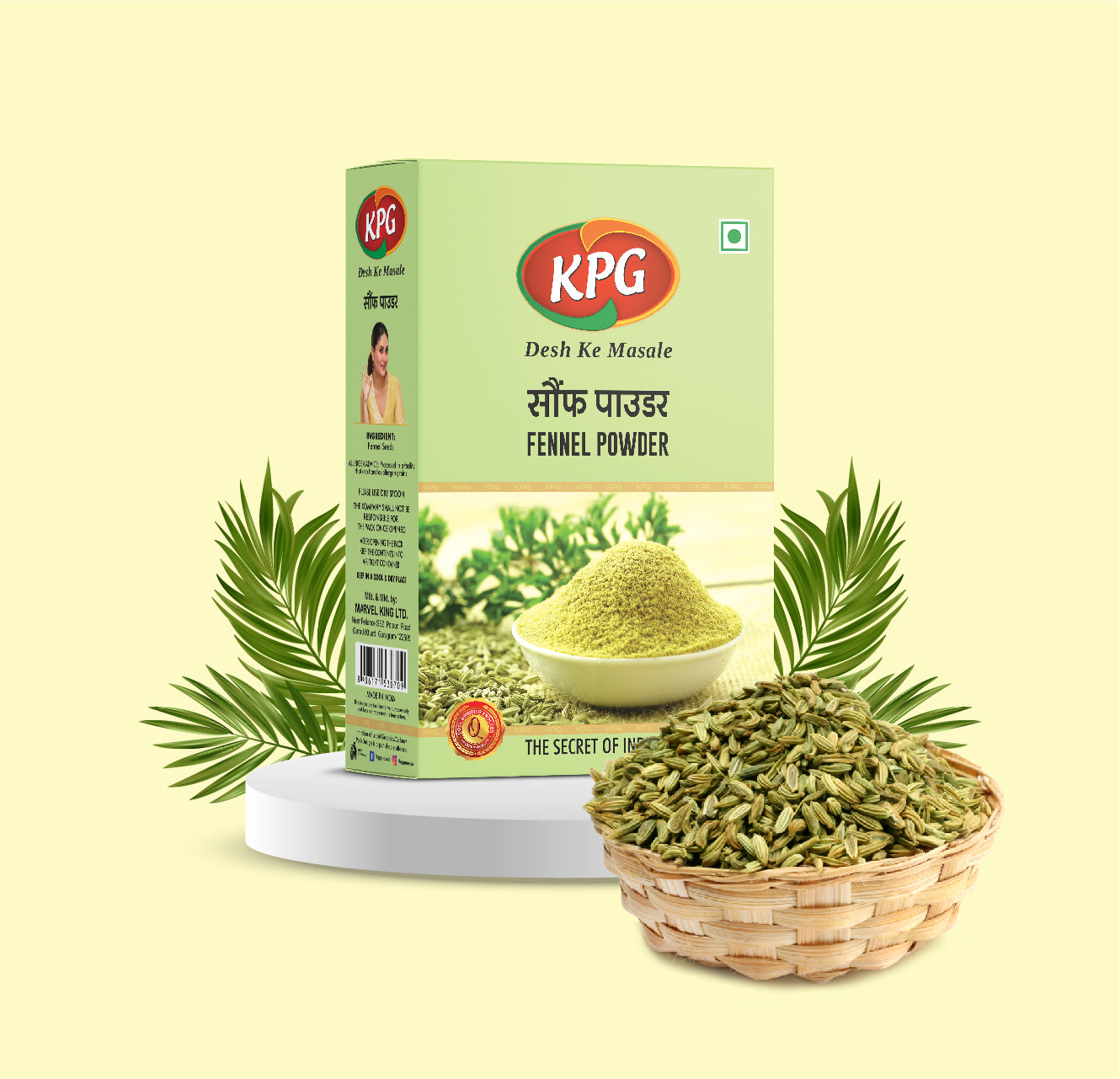
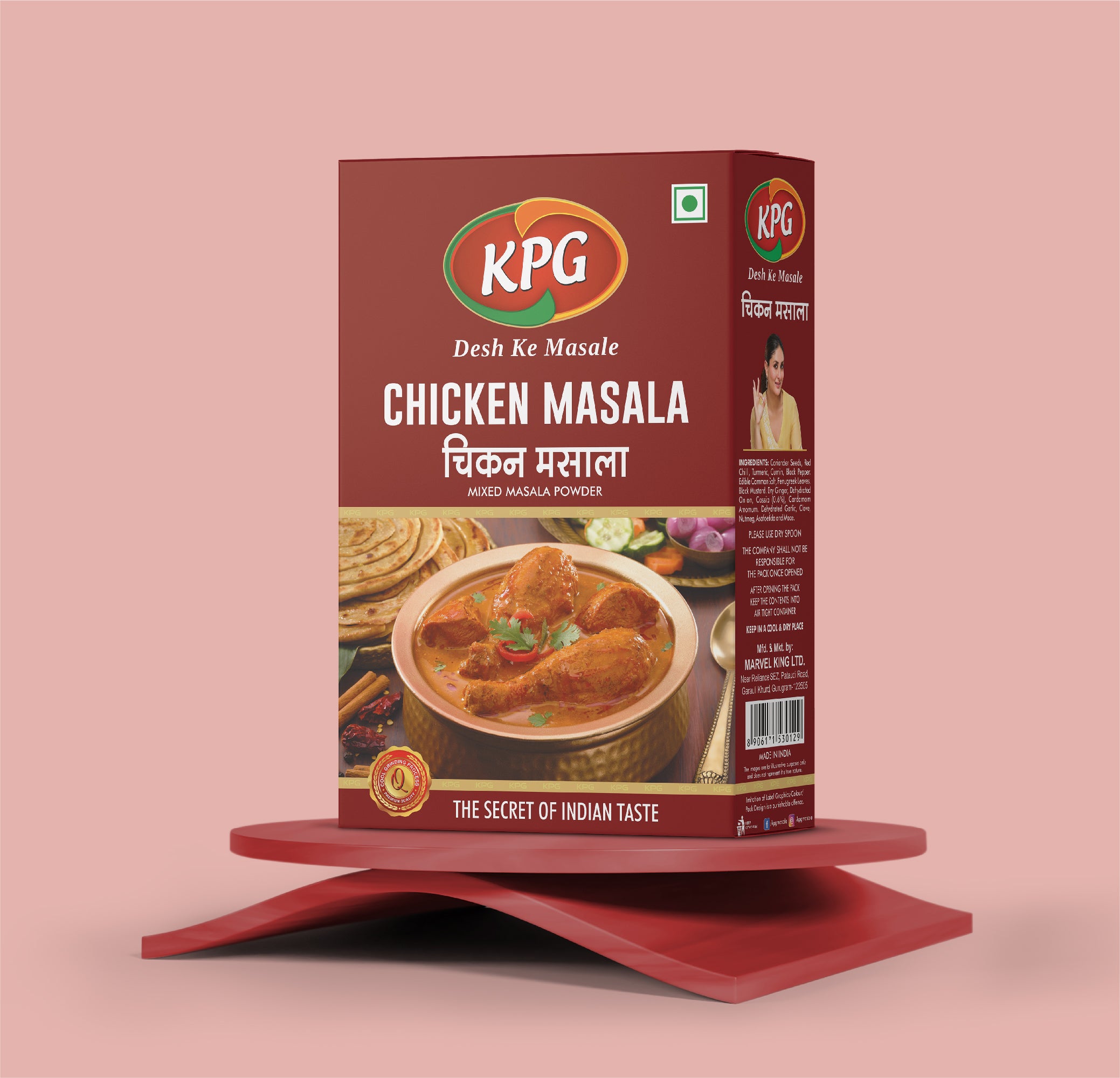
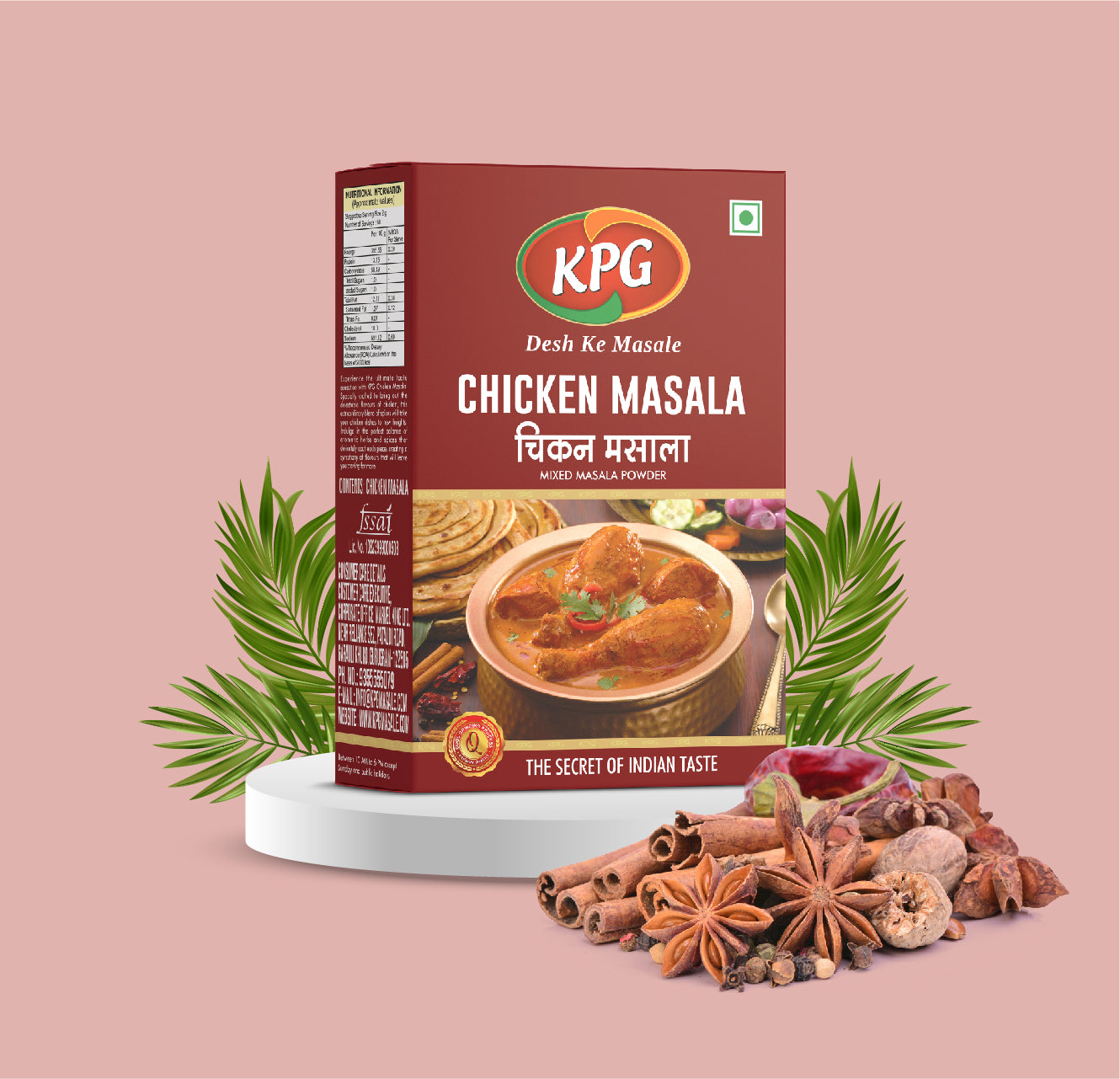
KPG Masale offers a range of everyday and blended spices, including Shahi Paneer Masala, Sabji Masala, Chhole Masala, Rajma Masala, Kashmiri Mirch and Shahi Garam Masala.
When evaluating a brand, consider:
• Product quality and consistency
• Product variety
• Market demand
• Packaging and shelf appeal
• Supply reliability
• Marketing support
• Dealer and distributor assistance
• Territory and distribution opportunities
Understand Your Local Market
Before investing, research the market in your target area. Identify the number of grocery stores, supermarkets, restaurants and other potential buyers. Study which masala brands are already popular and understand the price points customers are comfortable with. You should also identify fast-moving products. Basic spices may have regular demand, while popular blended masalas can help increase product variety and sales opportunities. A proper market assessment can help you decide how much inventory to maintain and which retailers to approach first.


Plan Your Investment
The investment required for a masala distributorship depends on factors such as territory, product range, stock requirements, warehouse facilities, transportation and business scale.
Instead of focusing only on the initial stock purchase, prepare a complete business budget covering:
• Opening inventory
• Storage or warehouse expenses
• Transportation
• Staff requirements
• Retailer visits
• Marketing and promotional activities
• Working capital
• Business registration and compliance costs
The exact commercial terms, minimum order quantities and distributor requirements should be discussed directly with the brand before making an investment.
Arrange Proper Storage
Masalas should be stored in a clean, dry and organized environment. Your storage facility should protect products from moisture, excessive heat, contamination and damage. Good inventory management is equally important. Keep track of incoming and outgoing stock, monitor fast-moving products and follow appropriate stock rotation practices to minimize wastage.
Build a Strong Retailer Network
A successful distributor needs a strong network of retailers. Start by creating a list of grocery stores, supermarkets, restaurants and other potential customers in your territory. Meet retailers personally and explain the product range, pricing, availability and brand benefits. Regular visits can help you understand retailer requirements and maintain strong business relationships. You can also use WhatsApp, local digital marketing, retailer promotions and product sampling to create awareness in your market.
Partner with KPG Masale
KPG Masale provides a dedicated dealership and channel-partner opportunity for businesses interested in distributing its products. The company has an official dealership page where prospective partners can submit their name, phone number, email, address and business details. The partnership process can begin by contacting the KPG Masale team and sharing information about your location and business. The team can then discuss the available opportunity, product range, commercial terms and onboarding requirements.
Start Your Masala Distribution Journey
A masala distribution business can be a promising FMCG opportunity when supported by the right products, market research and a well-planned retailer network. Success depends on consistent supply, effective inventory management, strong retailer relationships and continuous market development.
If you are planning to enter the spice distribution industry, partnering with an established brand such as KPG Masale can help you build your product portfolio and serve the growing demand for quality Indian masalas.
Ready to explore a masala distributorship? Contact KPG Masale and discuss the dealership or channel-partner opportunity for your area.